Custom-made in Shanghai · Export worldwide

WhatsApp +86 183 0196 3878 haonanxu67@gmail.com

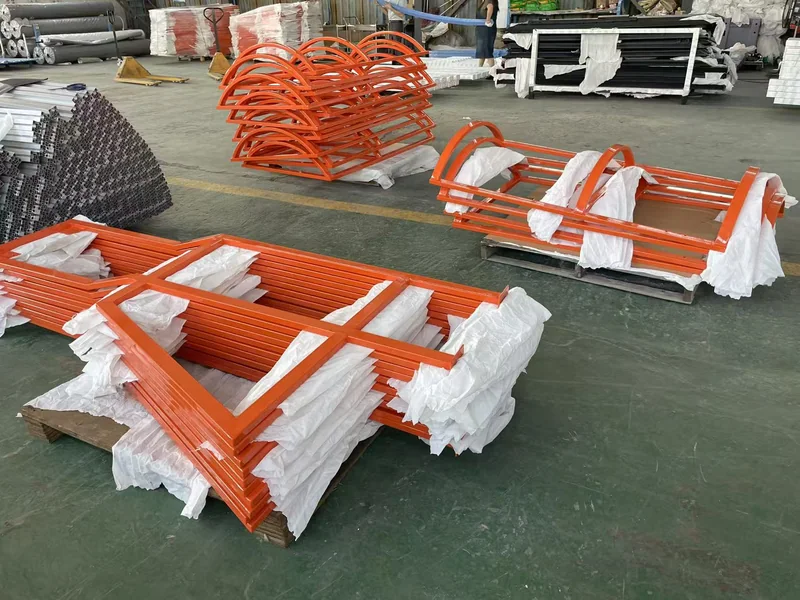
Bent steel frames stacked in the workshop, formed in a batch and waiting for coating

Custom work · Non-standard steelwork

Not in a
catalogue?
Send the drawing.

Most of what leaves this workshop is a standard system. This page is for the other orders: a frame bent to a radius, a booth built to a site, an equipment frame, a run of brackets — cut, welded, coated and packed to your drawing, whether that is one unit or a repeat batch.

  • Made to your drawing, not to a catalogue module
  • Cutting, bending, welding and coating in one workshop
  • One unit or a repeat batch, packed for export

01 What decides whether a custom order runs smoothly

A custom part is
decided before
the first cut.

A one-off order has no second chance to be right. Whether the drawing is dimensioned, whether the tolerance is agreed, whether the finish suits the climate, and how the part is packed — those four decisions are made on paper, long before anything is cut.

01

A drawing with numbers beats a photo

A photo tells us what the part looks like. It does not tell us the wall thickness, the bend radius, the hole pitch or which dimension has to be exact. A dimensioned PDF, a DXF or a STEP file removes the guessing, and anything unclear is asked back before the quotation is issued rather than after the first unit is made.
02

Tolerance has to be agreed, not assumed

A welded assembly and a bent tube do not hold the same tolerance. If the part has to fit an existing structure, a machine or a glass or panel system, say which dimensions are critical and which can move. That single answer decides the jig, the welding sequence and whether the part is welded or bolted.

03

The finish is a climate decision

Powder coating, galvanising and a wet paint system behave differently near salt water, under strong UV, and where the part will be scratched in service. The finish is specified with the colour and the film thickness, and the surface preparation is stated, because most coating failures are preparation failures.

04

How it travels decides how it is built

A frame that goes into a container should nest, be liftable by forklift and survive being stacked. Where a part is longer than the container, the joint is designed in — a bolted splice that arrives with its own bolts and a marked assembly position, rather than a saw cut on site.

02 What the workshop can do

Cut, bent, welded,
coated, packed.

A standard canopy frame and a one-off part go through the same steps. What changes is the drawing, the jig and the quantity — not the process.

  • Tube, plate and sheet in steel and aluminium, cut to your drawing
  • Bending, rolling, welding, drilling and powder coating under one roof
  • One unit, a prototype, or a repeat batch held to the same drawing
Typical work
Kiosks and booths, small shelters, equipment frames, brackets, handrails, bent tube parts, non-standard canopy frames
Material
Steel tube and plate; aluminium alloy tube and extrusion, to your drawing
Process
Cutting, bending and rolling, welding, drilling and punching, powder coating or galvanising
Finish
Powder coat in your RAL, galvanised, or bare for local coating
Tolerance
Agreed per part, with the critical dimensions marked on the drawing before production
Quantity
One unit, a prototype run, or a repeat batch
Packing
Bundled and tagged by assembly group, wrapped and palletised for export

03 Photographs

From formed part
to loaded pallet.

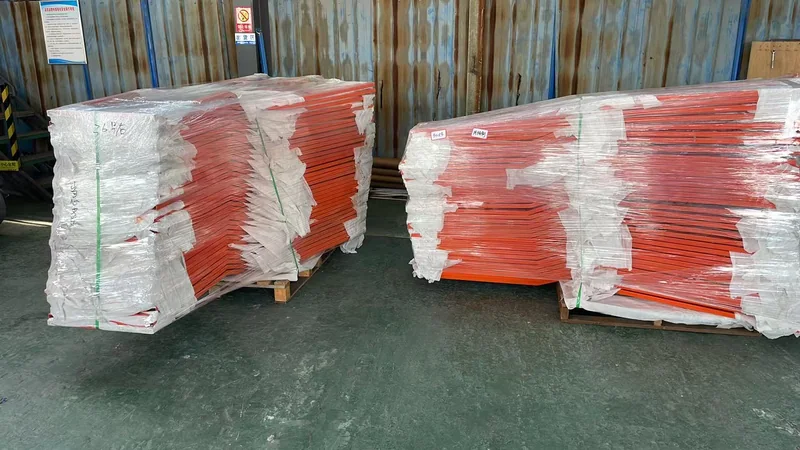
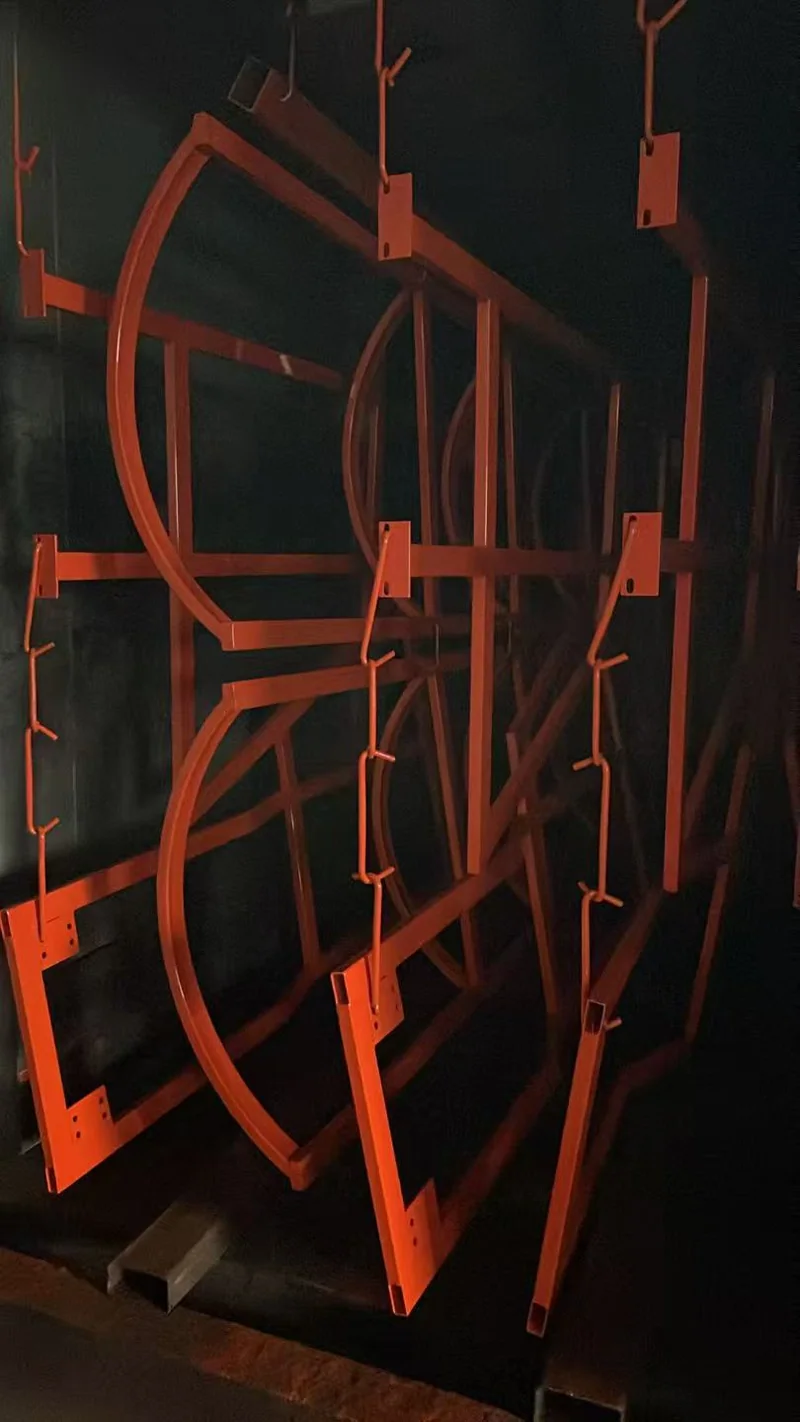
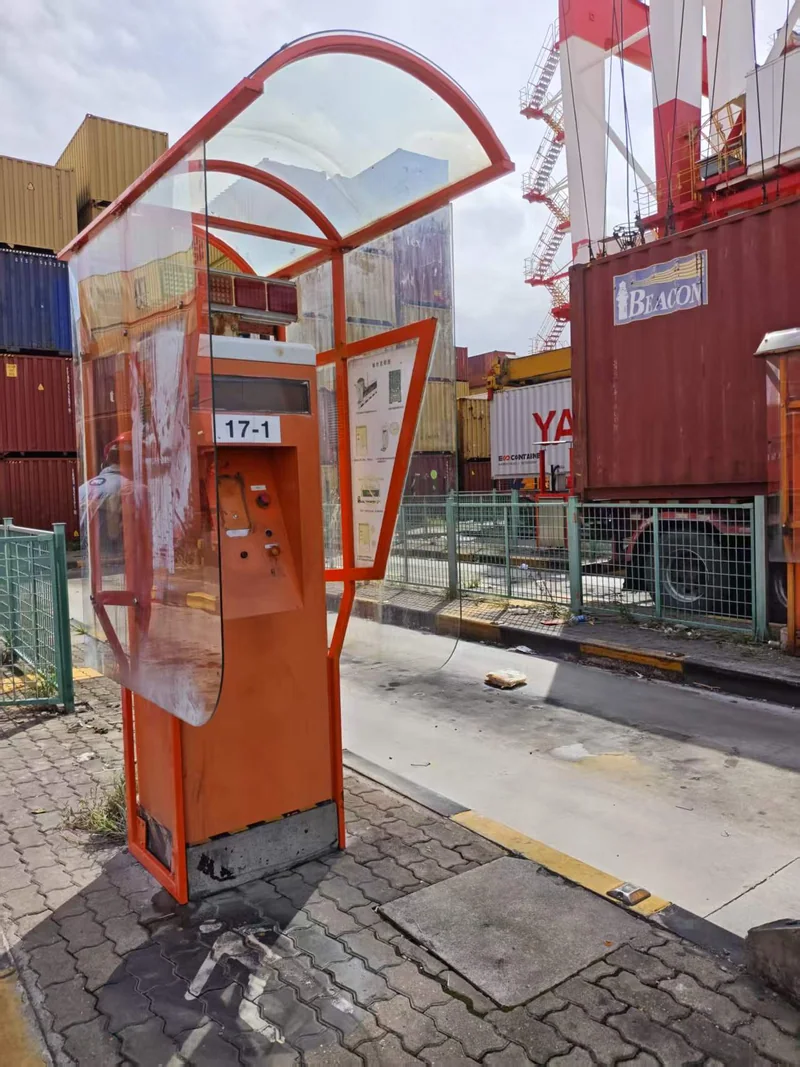
Four stages of one order: tube bent and formed, frames on the coating line, the finished unit on site, and the same frames wrapped and palletised for export. Send a photo of what you need made and we will tell you what is possible.

Formed frames stacked in the workshop before coating
Frames hanging on the line during coating
Finished unit installed on the site it was made for
Coated frames wrapped and strapped to export pallets

04 How it works

From your drawing
to the container.

Every project follows the same four steps. Nothing is cut until the drawing is approved and the deposit is received.

  • 01

    Send the drawing

    A dimensioned PDF, DXF or STEP file, with the dimensions that matter marked. A photo of the part in place helps if it has to fit something that already exists.

  • 02

    Feasibility and tolerance

    We come back on what can be held, what needs a jig, what is better bolted than welded, and where a long part will need a designed joint for transport.

  • 03

    Quotation, then a sample

    Priced per unit with material, finish, packing and delivery stated separately. On a new part, one sample is made before the batch is released.

  • 04

    Production and packing

    Cut and formed, welded and checked against the drawing, coated, then bundled by assembly group with a packing list.

05 Questions

Before you
send a drawing.

Something not covered here? Send the question on WhatsApp — we answer in English. All questions

Is there a minimum order?

No. A single unit and a repeat batch go through the same steps; what changes is the set-up cost carried by each part. On a first order the usual route is one sample, approved, then the batch.

Can you work from a photo?

A photo is enough to say whether a part is possible and roughly what it will cost. It is not enough to manufacture from. Production starts from numbers — a dimensioned drawing, a DXF, or the part measured here and drawn back to you for approval.

Do you supply the finished product or only the steelwork?

Either. Some orders are frames only, coated and packed, with panels, glazing or fittings sourced locally by the buyer. Others are complete units assembled and checked here before they are packed.

Who owns the drawing?

Yours stays yours. Where the part is new we draw it and send it back for approval before anything is cut; that approved drawing is the reference for the whole order, and the packing list is built from it.

How is a part longer than a container shipped?

It is split at a designed joint rather than cut on site. The splice, its bolts and its position are marked on the drawing and on the bundle, so the installer assembles to a mark instead of measuring.

Send a photo and a dimension. Get a drawing, then a price.

No catalogue numbers, no online checkout. Tell us the site, the span and the destination, and the quotation is built against the layout you approve.